Published by DITS (PVT) LTD | October 2026
Cybersecurity is no longer just an IT department responsibility. It has become a critical business priority for organizations of every size.
In 2026, artificial intelligence is transforming the cybersecurity landscape. While AI helps businesses improve efficiency, cybercriminals are also using it to create more convincing phishing emails, impersonate executives, automate malicious activities, and identify security weaknesses.
For businesses in Pakistan, including manufacturing companies, textile units, healthcare organizations, warehouses, and corporate offices, the consequences of a cyberattack can include operational downtime, financial losses, compromised customer information, and damaged business relationships.
1. AI-Powered Phishing Is Becoming More Convincing
Traditional phishing emails were often easy to identify because of spelling mistakes or suspicious formatting.
Today, AI can help attackers create professional-looking emails that appear to come from trusted suppliers, managers, banks, or IT departments.
Example: An accounts employee receives an urgent email appearing to be from a company director requesting a change to a supplier's bank details.
If the employee acts without verification, the company could suffer financial loss.
How to protect your business:
- Enable multi-factor authentication (MFA).
- Implement email security and anti-phishing protection.
- Verify unusual payment requests through a separate communication channel.
- Conduct regular employee cybersecurity awareness training.
2. Deepfake Voice and Video Scams Are a Growing Risk
AI-generated voice and video impersonation can make fraudulent instructions appear genuine.
Attackers may impersonate executives, vendors, or IT support personnel to convince employees to disclose credentials, approve payments, or provide access to internal systems.
Organizations should establish clear approval procedures for sensitive requests, especially financial transactions and account changes.
Security recommendation: Never rely solely on a voice message or video call to authorize a high-risk transaction.
3. Ransomware Can Disrupt Business Operations
Ransomware remains a serious concern for organizations that depend on servers, ERP systems, shared files, and business applications.
A successful ransomware incident may make critical systems unavailable and interrupt production, dispatch, accounting, or customer service.
Businesses should implement:
- Regular, tested backups, including offline or immutable copies.
- Endpoint detection and protection.
- Proper user access permissions.
- Network segmentation.
- Timely operating system and application updates.
- An incident response and recovery plan.
A backup is only useful when the organization can successfully restore its data.
4. Why Traditional Firewall Installation Alone Is Not Enough
A firewall is an essential security control, but simply installing one does not guarantee complete protection.
Security also depends on correct firewall policies, firmware updates, secure remote access, monitoring, and the configuration of connected systems.
Businesses should regularly review:
- Firewall rules and unnecessary open ports.
- Remote access and VPN permissions.
- Administrative account security.
- Network segmentation between departments.
- Firewall logs and security alerts.
- Firmware versions and security subscriptions.
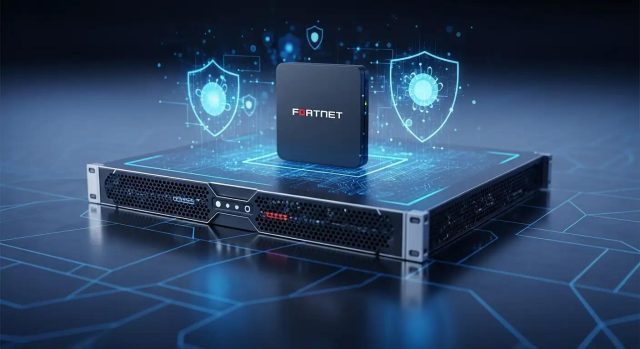
A properly configured next-generation firewall can help reduce exposure to malicious traffic and unauthorized network access.
5. Small and Medium Businesses Are Also at Risk
Cybercriminals do not target only large multinational companies.
Small and medium businesses may have limited IT resources, outdated systems, shared administrator accounts, or inadequate backup procedures.
These weaknesses can make attacks easier.
For organizations operating in Lahore, Karachi, Islamabad, and other Pakistani cities, investing in basic cybersecurity controls can significantly improve resilience.
6. Seven Cybersecurity Actions Every Business Should Take in 2026
- Review your firewall security: Remove unnecessary access rules and verify security updates.
- Enable MFA: Protect email, cloud applications, VPNs, and administrator accounts.
- Maintain secure backups: Test restoration procedures regularly.
- Update critical systems: Apply security patches to servers, endpoints, and network devices.
- Train employees: Teach staff to recognize phishing, impersonation, and suspicious payment requests.
- Restrict user privileges: Give employees only the access needed for their responsibilities.
- Conduct periodic security assessments: Identify vulnerabilities before attackers exploit them.
7. How DITS (PVT) LTD Can Help
DITS (PVT) LTD provides professional IT infrastructure and cybersecurity solutions for businesses across Pakistan.
Our services include:
- Next-generation firewall deployment and configuration.
- Fortinet, Sophos, SonicWall, and other enterprise security solutions.
- Network security assessments and firewall policy reviews.
- Secure VPN and remote access configuration.
- Server infrastructure, virtualization, and system administration.
- Enterprise networking and network segmentation.
- IT maintenance, technical support, and infrastructure upgrades.
Our approach focuses on understanding business requirements, identifying risks, implementing appropriate security controls, and providing professional after-sales support.
Conclusion: Cybersecurity Is a Business Investment
AI-powered cyber threats are evolving, but businesses can reduce their exposure through effective planning, layered security, employee awareness, and regular infrastructure assessments.
Waiting until a security incident occurs can be far more disruptive than taking preventive action.
Is your business network properly secured?
Contact DITS (PVT) LTD to discuss your cybersecurity and IT infrastructure requirements.
DITS (PVT) LTD — Your Trusted IT & Technology Partner
Website: www.dits.pk
Email: info@dits.pk | sales@dits.pk
Phone: +92 311 4285127
Secure Your Network. Protect Your Business. Build for Tomorrow.